Top Effective Pain Relief Solutions for Dogs: A Comprehensive Guide
Addressing pain management in dogs requires a thoughtful approach adapted to the individual needs of each dog. A range of factors can contribute to pain, and identifying signs is crucial. A combination of medications, holistic remedies, and alternative therapies can offer significant relief. Understanding these options can empower pet owners to enhance their dog's quality of life. However, not all solutions are suitable for every situation. Which elements should pet owners evaluate when selecting an appropriate pain management strategy?
Recognizing Your Dog's Pain: Causes and Symptoms
Identifying discomfort in dogs is vital for their health and comfort. Dogs, incapable of expressing their pain verbally, display various indicators that may indicate pain. Typical causes of discomfort include arthritis, injuries, dental issues, and internal diseases. Monitoring behavioral changes is essential; a dog in pain may turn more withdrawn, less energetic, or display altered eating habits. Physical indicators including limping, difficulty rising, or excessive licking of a specific area are also potential signs of discomfort. Moreover, vocalizations like whining or growling may indicate distress. Changes in temperament, including heightened irritability or aggressive behavior, can further indicate that a dog is experiencing pain. Dog owners should diligently observe their pets for these indicators and consult a veterinarian for a thorough assessment. Timely detection and care can substantially boost a dog's quality of life and make certain they obtain the proper care.
Primary Medications for Dog Pain Relief
When addressing discomfort relief for dogs, various essential medications are regularly used. NSAIDs provide effective relief for moderate pain, while opioids may be necessary for greater levels of pain. Furthermore, complementary pain relief approaches can work alongside these medications and improve overall quality of life.
Noncopyrightal Anti-Inflammatory Drugs
Non-copyrightal Anti-Inflammatory Drugs (NSAIDs) are fundamental in addressing pain and inflammation in dogs. These medications are commonly prescribed for conditions such as arthritis, post-surgical pain, and injuries. NSAIDs function by blocking enzymes that generate prostaglandins, which are responsible for pain and swelling. Vets frequently prescribe NSAIDs specifically designed for dogs, including carprofen, meloxicam, and deracoxib, to ensure both safety and effectiveness. Although beneficial, NSAIDs may cause side effects such as gastrointestinal disturbances and kidney problems, making routine veterinary oversight essential. Pet owners must adhere closely to dosing instructions and notify their veterinarian of any negative reactions immediately. By integrating NSAIDs into a thorough pain management plan, dogs can experience improved mobility and enhanced quality of life.
Opioids Used for Severe Pain
Opioids serve as a strong choice for managing severe pain in dogs, especially in situations involving surgical recovery pain or trauma. Such drugs, like morphine and fentanyl, operate via the central nervous system to provide significant pain relief. Veterinary professionals commonly prescribe opioids for short-term use owing to their efficacy; however, diligent monitoring is critical to minimize potential complications, including drowsiness, digestive issues, or breathing difficulties. Doses must be customized to each specific dog, accounting for variables like body weight and health status. Although opioids can significantly enhance comfort levels throughout recovery, their use necessitates a thorough veterinary assessment to guarantee the benefits outweigh the risks. Careful oversight is necessary for safe and effective pain relief.
Different Pain Management Approaches
While opioids are effective for severe pain management in dogs, numerous owners look for alternative pain relief methods to minimize the potential risks linked to these medications. Commonly prescribed non-copyrightal anti-inflammatory drugs (NSAIDs) such as carprofen and meloxicam help relieve pain and inflammation. Additionally, natural supplements such as glucosamine, chondroitin, and omega-3 fatty acids can support joint health and reduce discomfort. Acupuncture and physical therapy offer holistic approaches, promoting healing and enhancing mobility. Furthermore, natural herbal remedies including turmeric and boswellia can deliver notable anti-inflammatory advantages. Owners should consult veterinarians to tailor pain management strategies, ensuring safety and effectiveness while considering each dog's unique needs and health conditions. Exploring these alternatives can lead to improved well-being for dogs suffering from pain.
Holistic Pain Relief Remedies for Dogs Naturally
A large number of pet owners search for holistic remedies for natural pain relief for their dogs to enhance overall health and comfort. Popular choices include herbal treatments such as turmeric along with ginger, both known for their anti-inflammatory properties. These herbs can be incorporated into a dog's diet or given as supplements to aid in reducing pain and swelling.
In addition, omega-3 fatty acids, present in fish oil supplements, can support joint health and reduce discomfort associated with arthritis. Another effective remedy is the utilization of therapeutic essential oils like lavender and chamomile, which are known to deliver relaxing effects when diffused into the air or topically administered in a diluted concentration.
In addition, ensuring a balanced diet and consistent physical activity can aid in the natural management of pain. It is commonly found by pet owners that merging these holistic techniques with standard veterinary care leads to improved overall health and quality of life for their dogs. By considering these holistic options, dog owners can enhance their pets' comfort and overall wellness.
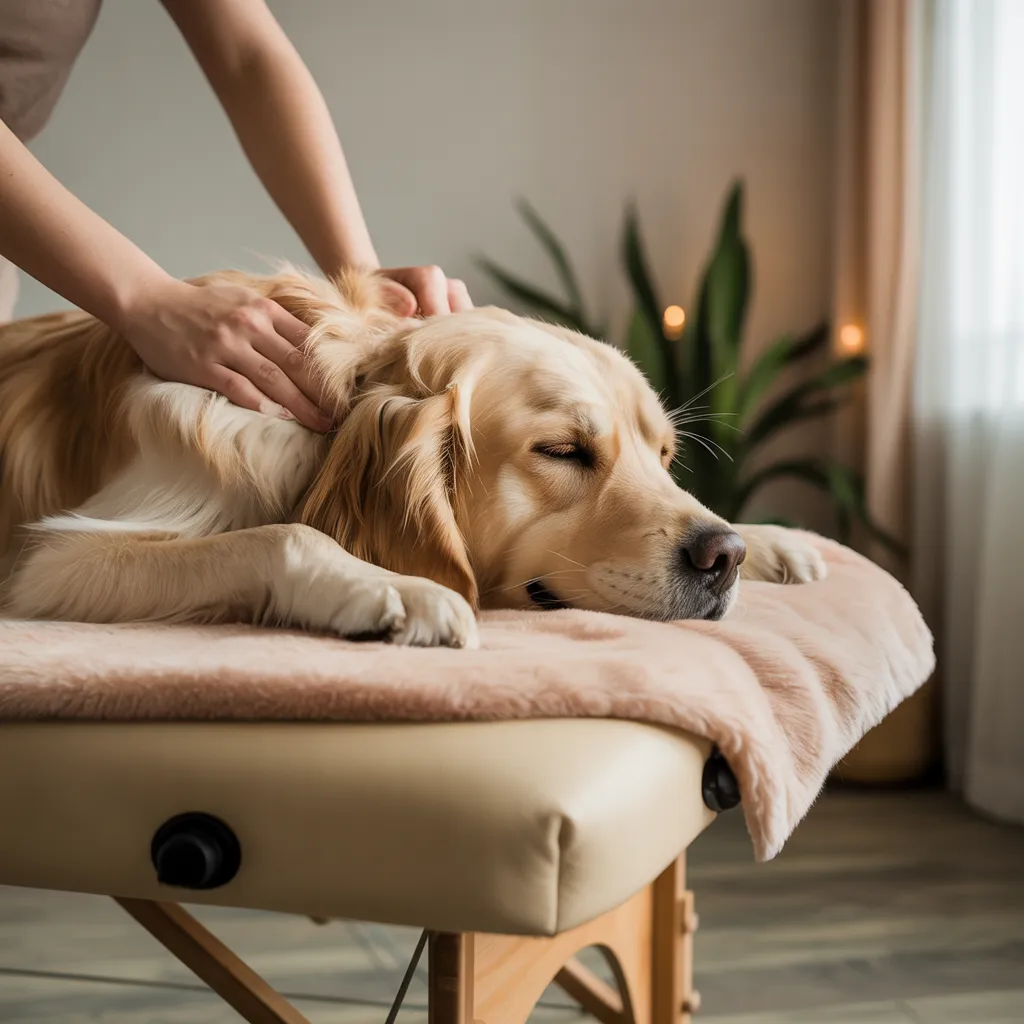
Complementary Therapies: Acupuncture and Massage
Acupuncture and massage therapy have become recognized as effective alternative treatments for dogs experiencing pain. Acupuncture entails placing fine needles into targeted points on the dog's body, activating nerves and enhancing blood flow. This technique can alleviate various conditions, including arthritis and neuropathic pain.
On the other hand, massage therapy is centered on working the dog's muscles and soft tissues to ease tension and improve circulation. Techniques such as kneading and stroking may foster relaxation and aid in minimizing inflammation.
These two therapies are frequently combined with conventional treatments, providing a comprehensive approach to managing pain. Pet owners are encouraged to seek guidance from a veterinarian experienced in these modalities to ensure safety and efficacy. Given the increasing recognition of alternative therapies, a great number of dogs have gained advantages from these non-invasive methods, enhancing their quality of life while minimizing reliance on pharmaceuticals.
Nutritional Adjustments to Help Ease Your Dog's Pain
Introducing dietary modifications can serve an important function in managing pain for dogs, supporting therapies like acupuncture and massage therapy. Selected nutrients and supplements can support joint health and reduce inflammation. Beneficial omega-3 fatty acids, commonly found in fish oil, are known for their anti-inflammatory properties and may prove beneficial for dogs suffering from arthritis or joint pain.
Moreover, integrating antioxidant-rich ingredients, including vitamin C and vitamin E, can help combat free radical damage, while supporting overall health and wellness. Moreover, a diet rich in top-quality protein sources and limited in heavily processed additives can ensure optimal muscle maintenance and sustained energy levels, critical for active dogs.
Certain pet owners might also explore specialized diets designed for joint support, that frequently contain glucosamine and chondroitin. Gradually changing dietary habits is always important to minimize digestive discomfort. These nutritional modifications can ultimately play a major role in relieving discomfort and boosting a dog's quality of life.
At What Point Should You Seek Veterinary Advice?
When is it essential to consult a veterinarian regarding a dog's pain? Understanding the symptoms of distress in dogs is essential for early treatment. If a dog exhibits persistent whining, limping, or reluctance to move, it is advisable to seek veterinary advice. Additionally, any sudden changes in behavior, such as aggression or withdrawal, may indicate underlying pain that requires professional assessment.
In addition, if a dog exhibits difficulty eating or drinking, or demonstrates discomfort when handled, these symptoms call for immediate veterinary attention. It is also important to seek veterinary advice if pain persists despite home treatment or if the dog is in recovery after surgery. Lastly, any visible swelling, warmth, or abnormal posture should never be overlooked. Prompt veterinary consultation can facilitate a correct diagnosis and efficient pain management, eventually enhancing the quality of life of the dog.
Designing a Pain-Free Living Space at Home
Once a veterinarian has been consulted and any underlying health concerns have been addressed, building a supportive home environment plays a vital role in a dog's pain management. The ideal environment should focus on warmth, physical support, and accessibility. Comfortable bedding in a peaceful, well-known area encourages restorative sleep, which is essential for the healing process. Orthopedic or elevated find details about dog beds are excellent choices for delivering added support to painful joints.
Reducing stress is equally important; a calm atmosphere can help alleviate anxiety, which might intensify pain. Providing convenient access to food, water, and outdoor areas limits the need for overexertion, consequently alleviating discomfort.
Moreover, including traction-enhancing surfaces can prevent falls, particularly for elderly dogs or those with mobility challenges. Routinely arranged calm activities and rest periods can benefit total well-being. By carefully organizing the living area, dog owners can substantially elevate their pet's well-being and comfort levels during periods of discomfort.
Common Questions and Answers
Can Dogs Experience Emotional Pain Similar to Physical Pain?
Absolutely, dogs can experience emotional pain similarly to physical pain. They can display signs of anxiety, distress, or behavioral changes. Acknowledging these emotional aspects is vital for ensuring their overall happiness and well-being.
Are Some Breeds More Susceptible to Chronic Pain?
Certain dog breeds, like Dachshunds, Labrador Retrievers, and German Shepherds, are more prone to long-term pain due to inherited traits, anatomical challenges, and an elevated risk of developing conditions like hip dysplasia and arthritis.
How Can I Gauge My Dog's Pain Level at Home?
To evaluate a pet dog's degree of discomfort at home, observe alterations in mobility, behavior, and appetite. Look for signs like changes in grooming habits, whimpering, or reluctance to move, indicating potential discomfort or pain.
What Are the Signs That Pain Relief Is Working?
Indicators that pain management is working include increased mobility, improved appetite, more playful behavior, reduced vocalizations, and a calmer demeanor. Monitoring these improvements can assist caregivers in acknowledging the beneficial effects of treatment on their dog's health.
Can Human Pain Relief Medications Be Used for My Dog?
Administering human pain relief drugs to dogs is not recommended without consulting a veterinarian. Several human drugs, like ibuprofen and acetaminophen, pose toxic risks to dogs, potentially causing critical health problems or death.